

Sashes tilt inward for access

Open top and bottom sashes
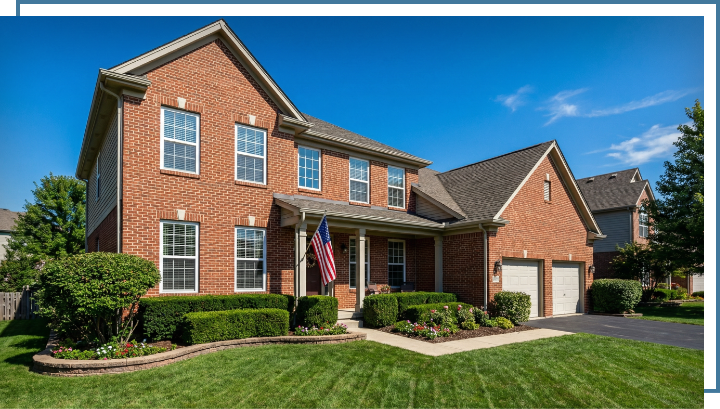

Two operating sashes, one on top and one on the bottom

Sashes move vertically up and down, allowing the window to open

Both lower and upper sash tilt inwards for easy access for cleaning while the screen stays in place.
Double hung window replacement is the most common job we do, and we also fit Kansas City single hung windows where the budget is tighter. We install double hung windows in Brookside, Kansas City, double hung windows in Waldo, Kansas City and single hung windows in Brookside, Kansas City, where original sashes are often past repair.
Double hung is the style most Kansas City homes were originally built with, particularly the pre-war stock in Brookside, Waldo and the older streets on the Missouri side. Both sashes operate, so you can drop the top sash and raise the bottom to set up a convection loop that pulls hot air out at the ceiling and draws cooler air in low. That is a genuinely useful thing in a house without central air on a mild evening.
The practical advantage over a single hung is cleaning. Both sashes tilt inward, so a second storey window is washed from inside the bedroom rather than from a ladder. On a two storey house that difference is the reason most homeowners choose double over single, and it is worth more than the price gap.
A single hung has a fixed top sash and only the bottom operates. It costs less, has one fewer moving seal and is marginally more airtight for that reason. Where it loses is cleaning and ventilation. On a ground floor window you can reach easily, single hung is a sensible saving. On anything above ground level, most homeowners regret it the first time they need to wash the glass.
Closely, yes. Simulated divided lite grilles and the right sash proportions get very near the original appearance while giving you a modern insulated unit. On a historic property with review requirements we will talk through what is actually approvable before you order.
Almost always, because the draught is usually coming through a failed sash seal or a gap between the old frame and the rough opening. Which of those it is decides whether you need an insert or a full frame replacement, and we check that at the measure.
The counterbalance has failed, either a broken sash cord on a genuinely old window or a worn spiral balance on a newer one. On an otherwise sound window that is a repair. On a unit with fogged glass or a rotten sill it is not worth the money.
This decision matters more on pre-war housing stock than anywhere else. Original openings in Brookside, Waldo and similar streets were framed in solid lumber that is often still perfectly sound, in which case an insert preserves the original interior casing and the exterior brick mould, and the house keeps its character. Where those homes catch people out is the sill. A hundred years of water running off the glass finds the horizontal surface first, and a sill that has gone soft cannot carry a new unit no matter how good the window is.
We probe the sill and the lower jamb at the measure rather than guessing from the inside. If it is sound you get an insert and keep your trim. If it is not, a full frame replacement is the only honest answer, and it is the only route that lets us re-flash the opening so the next hundred years go better than the last.